

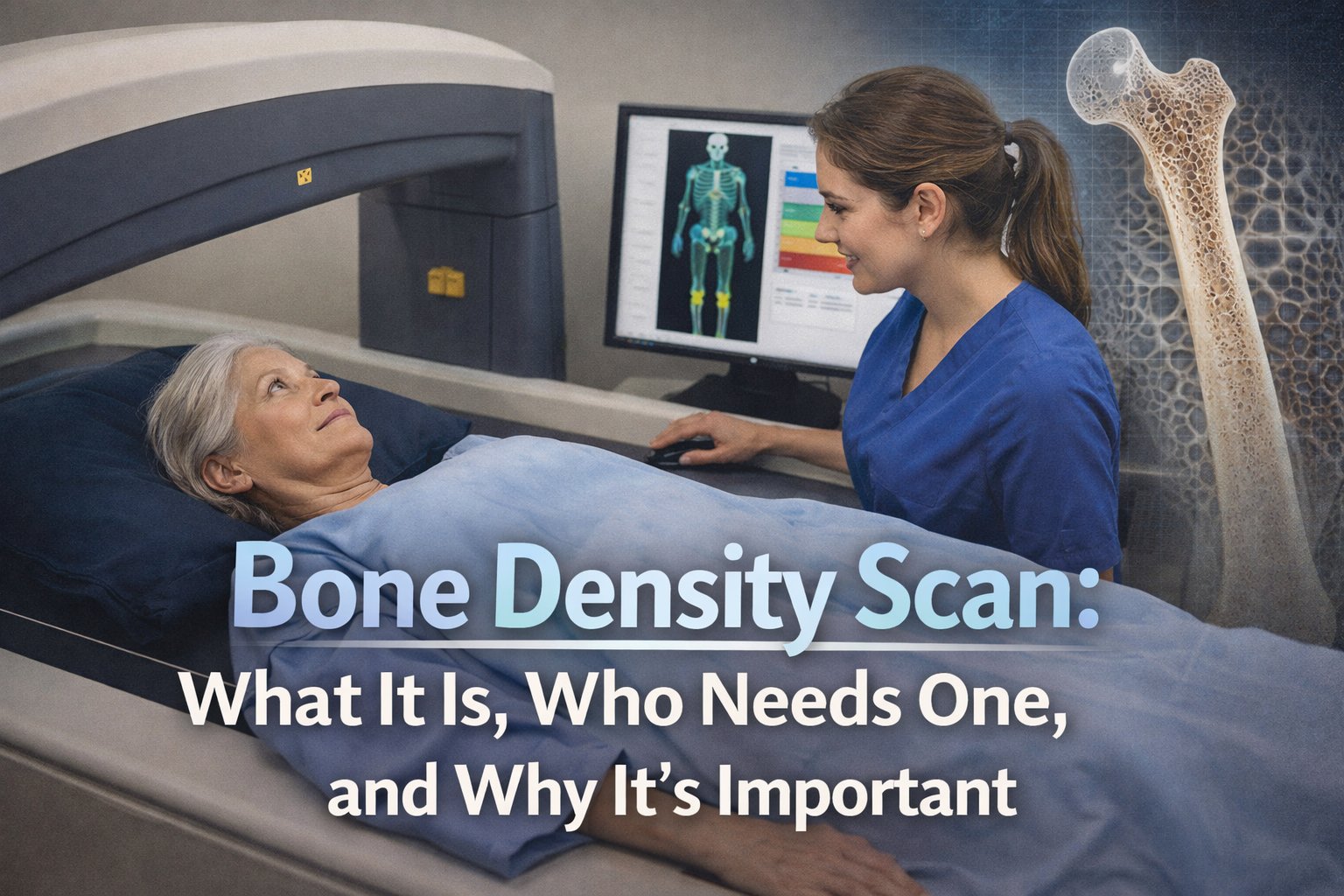
A bone density scan, also known as a DEXA scan or DXA scan, is a fast, safe, and painless imaging test used to measure bone strength. This test helps detect bone loss early, assess fracture risk, and diagnose conditions such as osteopenia and osteoporosis before serious complications occur.
At Women’s Imaging Specialists, our experienced imaging team performs bone density scans using advanced bone densitometry technology in a comfortable, professional setting. We help patients understand their bone health and take proactive steps to prevent fractures and long-term bone disease.
What Is a Bone Density Scan?
A bone density scan uses very low-dose X-rays to measure the amount of calcium and other minerals in your bones. The test most commonly evaluates the hip and spine, which are two areas most vulnerable to osteoporotic fractures.
The scan is non-invasive and typically takes 10 to 30 minutes. During the exam, you lie flat on a padded table while a scanner passes over your body. The results are reported as T-scores, which compare your bone density to that of a healthy young adult.
Bone density scans are considered the gold standard for diagnosing osteoporosis and are widely used to evaluate fracture risk and monitor bone health over time.
Who Should Get a Bone Density Scan?
Bone density scans are recommended for individuals who are at higher risk for bone loss or fractures. Screening guidelines from national health organizations identify several groups who benefit most.
Recommended Bone Density Screening
- Women age 65 and older should have routine bone density scans.
- Men age 70 and older may also benefit from screening, particularly if risk factors are present.
Earlier Bone Density Testing for High-Risk Individuals
You may need a bone density scan before age 65 if you have one or more of the following risk factors:
- A fracture after age 50
- A family history of osteoporosis
- Low body weight or small frame
- Smoking or excessive alcohol use
- Sedentary lifestyle
- Medical conditions such as rheumatoid arthritis or diabetes
- Long-term use of corticosteroids or other medications that weaken bones
Some healthcare providers recommend a baseline bone density scan around age 50 to track bone changes and guide future prevention strategies.
Benefits of a Bone Density Scan
Early Detection of Osteoporosis
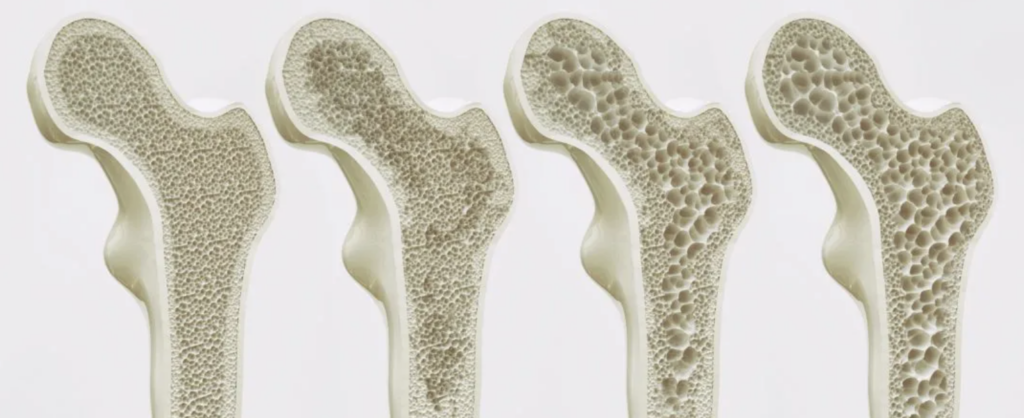
Bone loss often occurs without symptoms. A bone density scan can detect osteopenia or osteoporosis early, allowing for timely intervention before fractures occur.
Fracture Risk Assessment
Bone density scan results help estimate your risk of future fractures. This information enables healthcare providers to develop personalized treatment and prevention plans.
Guidance for Bone Health Treatment
If low bone density is detected, treatment options may include lifestyle changes, weight-bearing exercise, nutritional guidance, calcium and vitamin D supplementation, or prescription medications designed to strengthen bones.
Monitoring Bone Density Over Time
For patients receiving osteoporosis treatment, follow-up bone density scans help determine whether therapy is effective and whether adjustments are needed.
What to Expect During a Bone Density Scan
A bone density scan is designed to be simple and comfortable:
- No needles or injections are involved.
- Radiation exposure is minimal and significantly lower than a standard chest X-ray.
- Little preparation is required, though patients may be asked to avoid calcium supplements for 24 hours prior to the exam.
Why Bone Density Scans Are Important for Long-Term Health
Bone density scans play a critical role in preventing fractures, maintaining mobility, and preserving independence as we age. Hip and spine fractures can lead to chronic pain, disability, and reduced quality of life, making early detection of bone loss essential.
If you are at risk for osteoporosis or simply want to better understand your bone health, a bone density scan provides valuable insight and peace of mind.
Talk with your healthcare provider about whether a bone density scan is right for you and consider making it a routine part of your preventive healthcare plan.
Our team here at Women’s Imaging Specialists are ready to book and assist you through the bone density scan process.