
Understanding Dense Breasts: What They Mean for Your Mammogram

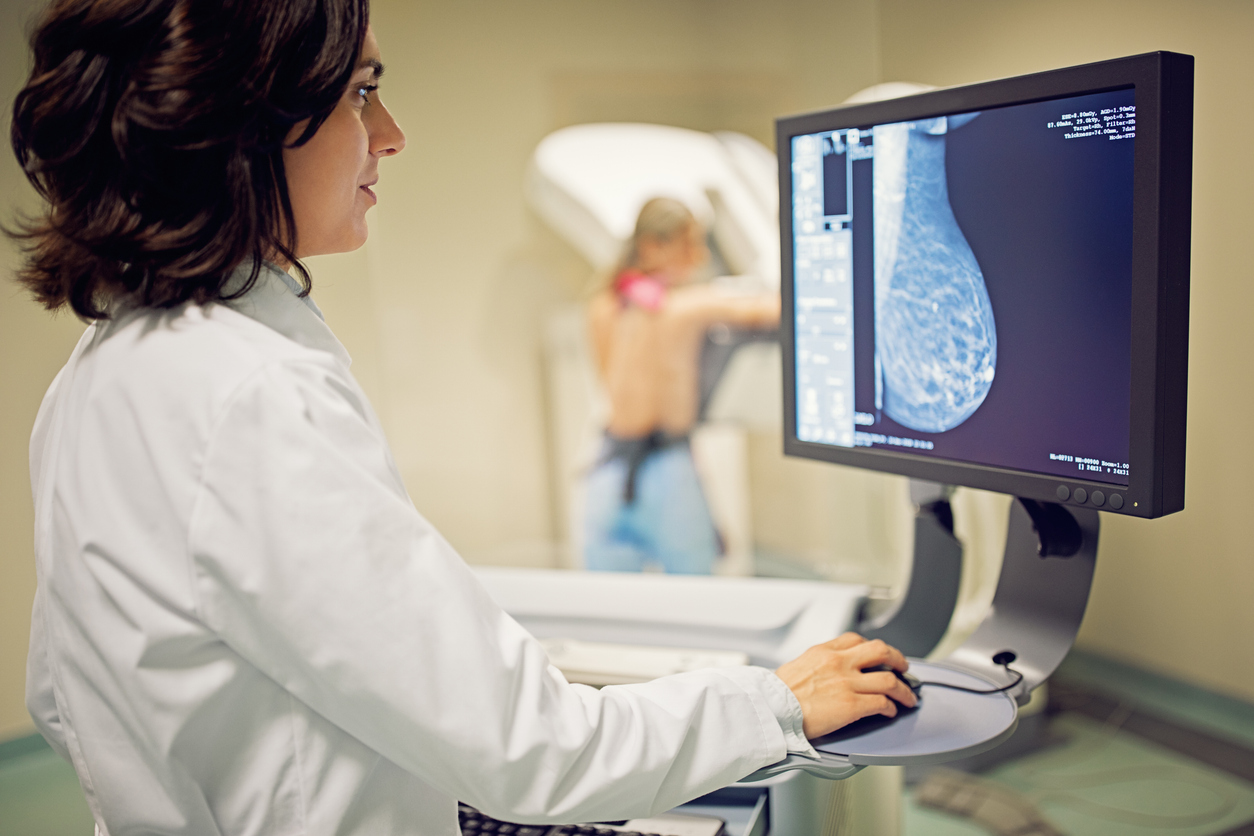
Many women learn that they have dense breast tissue after receiving their mammogram results. In many cases, however, your doctor may share that information without providing additional context or detail, leaving you unsure about what it means. Breast density is a common finding that can affect both breast cancer risk and how easily abnormalities can be seen on a mammogram. While about 40% of women have some areas of denser tissue throughout their breasts, according to the CDC, only 10% of women have overall dense breasts.
What Does It Mean to Have Dense Breasts?
Dense breast tissue is not necessarily better or worse than any other type of breast tissue. However, learning that you have dense breasts does tell you something about your body and your overall health, so you may want to take it into account when scheduling future appointments for mammograms and other breast-related tests.
Understanding Breast Tissue and Density
Breast tissue is divided into three parts:
- Fibrous tissue: The ropy or heavy tissue that holds the rest of the breast tissue in place
- Glandular tissue: The lobes and ducts that aid in milk production and carry that milk to the nipple
- Fatty tissue: The fluffier-feeling breast tissue that exists in the space between the other types of tissue
Fibrous and glandular tissue are, in general, denser than fatty tissue. These tissue types also look different in a mammogram: dense tissue shows up brighter white, the same color as tumors, which can make those scans more difficult to read.
The Different Breast Density Categories
Doctors divide breast density into different categories to help them examine and define those challenges.
- A: Almost entirely fatty tissue
- B: Scattered areas of dense breast tissue
- C: Even mix between dense and non-dense breast tissue
- D: Very dense breast tissue
There can be a wide range of density even within these categories, so talk to your doctor if you have questions about your breast categorization and what it may mean for you both now and in the future.
How Do You Know If You Have Dense Breasts?
Most of the time, you can’t feel the difference between high-density breasts and low-density breasts on your own. Your doctor may also not be able to identify dense breasts during a standard exam. However, when you have a mammogram, the difference is often very clear.
How Breast Density Is Identified
Breast density is considered a normal finding on mammograms and other imaging tests. It is assessed based on the amount of fibrous and glandular tissue in the breast when compared to fatty tissue.
Understanding Breast Density Notifications
Current regulations require that women receive a report identifying their breast density after a mammogram, along with the other results. That means that after your mammogram, you will probably receive a report that breaks down your breast density and its impact on you. The report should also explain how breast density could interfere with mammogram readings and whether additional testing is recommended due to poor visibility.
How Breast Density Affects Mammograms
Breast density can significantly affect mammogram results. Whether you’re receiving a report for the first time or you already have an idea of your breast density category, make sure you understand how it can impact you.
Why Dense Tissue Can Make Cancer Harder to See
Dense breast tissue shows up white on a mammogram–and so does cancer. While the structures are different, very dense breast tissue can make it more difficult to spot abnormal signs on the mammogram. Furthermore, dense breast tissue is harder to see through, so it may be more difficult to obtain a full image.
The Role of 3D Mammography
3D mammograms take multiple views from different angles and then combine them to create a clearer picture of the entire breast. This technology makes it easier for doctors to see through dense breast tissue and spot tumors and other abnormalities–which can, in many cases, mean that cancer in patients with dense breasts is identified sooner.
Does Having Dense Breasts Increase Breast Cancer Risk?
Of course, many women worry that having dense breasts can increase their cancer risk. Talk to your doctor about your specific risk factors to better understand how your breast density affects your risk level.
Breast Density as a Risk Factor
Women with very dense breasts are 4-5 times more likely to develop breast cancer. However, many factors may increase the odds of breast density, including ethnicity and certain types of medications–and those factors may also influence breast cancer risk.
Looking at Your Overall Breast Cancer Risk
Women may be more likely to develop breast cancer based on a number of factors, including family history, obesity, and even things like activity level. Always talk to your doctor about your overall breast cancer risk.
Do Dense Breasts Require Additional Screening?
Dense breast tissue may sometimes require more screening than fatty or non-dense breasts. Here are a few thngs to remember:
When Supplemental Imaging May Be Considered
Your doctor may consider supplemental imaging if they cannot clearly read a mammogram, if you have a high number of breast cancer risk factors, or if they suspect a problem with the original scan.
Ultrasound, MRI, and Other Breast Imaging Options
Multiple options for breast imaging may prove clearer in individuals with dense breasts, including:
- Ultrasound
- MRI
- 3D mammograms
These scans may provide increased visibility or peace of mind.
What Should You Do If You Have Dense Breast Tissue?
Do you have dense breasts? Talk to your doctor regularly about the right course of treatment for you.
Continue Routine Mammogram Screening
Keep up with your regular mammograms on the schedule recommended by your care provider. Do not skip them just because you are concerned about poor visibility from dense breast tissue.
Discuss Your Risk Factors With Your Healthcare Provider
Your healthcare provider can give you a better idea of your specific needs, including whether supplemental screening is the best choice for your situation.
Questions to Ask After Receiving a Dense Breast Notification
You received a dense breast notification: now what? Ask your provider these questions to increase your peace of mind.
What Is My Breast Density Category?
Both Category C and Category D are considered dense breasts, but they may impact your health and screening visibility in different ways. If the report does not lay out your breast density level, make sure your provider explains it to you.
Should I Consider Additional Screening?
After reviewing your scan, your healthcare provider can give you a better idea of whether more frequent screening or additional screening options can help rule out potential problems.
Are There Other Risk Factors I Should Consider?
If you are relatively healthy, at a healthy weight, and do not have a family history of breast cancer, your provider may be less concerned with extensive testing. On the other hand, if you have additional risk factors, they may want to monitor your breasts more closely.
Staying Proactive About Your Breast Health
Dense breasts are common and do not necessarily mean something is wrong. However, knowing more about your body and your overall breast health can help you better manage a wide range of conditions. Get to know and understand your breast density, evaluate your risk factors with your healthcare provider, and keep up with regular mammograms.
Are you ready to schedule a mammogram? Reach out to Women’s Imaging Specialists to schedule a mammogram screening near you.