
Mammogram Callbacks: Why You May Need Additional Breast Imaging

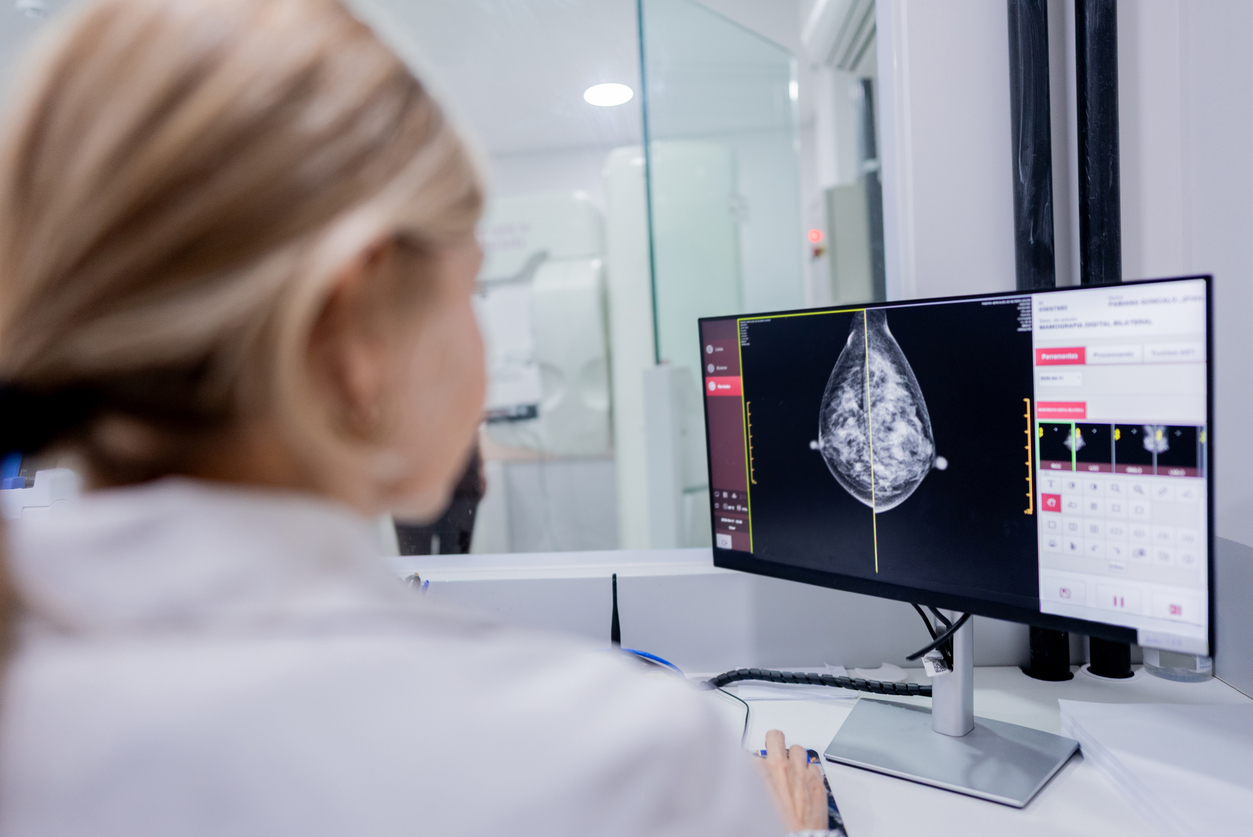
Receiving a call asking you to return for additional breast imaging can feel incredibly stressful. Your mind may immediately jump to the worst-case scenario, worrying about your overall health and your future. However, a mammogram callback can occur for many reasons, and it does not always mean that breast cancer has been found. Whether you’ve already received a callback or you’re planning ahead, understanding these potential reasons can help you manage your reaction and plan your next steps.
What Is a Mammogram Callback?
A mammogram callback occurs when you have already had the exam, and your specialist needs you to come back for further testing.
Why a Radiologist May Request Additional Images
Your radiologist may request additional images following your mammography exam for a number of potential reasons.
- Your initial images were unclear. Unclear images may result from movement during the mammogram, blurry imaging, or simply the inability to capture the full image during the initial exam.
- Solid-looking masses or lumps. These white areas on the scan can be benign or malignant, so additional testing may be needed to determine what you are actually dealing with.
- Changes in breast density. Some areas of the breast may appear denser than the surrounding tissue. In many cases, this occurs without any other problems; however, it can also be a possible sign of breast cancer, so your radiologist may want a closer look.
- Scar tissue. Scar tissue can occur for a number of reasons, including surgery or injury. Your radiologist will need to identify it and rule out any other causes.
- Dense tissue. Dense breast tissue can prove more difficult to see around, making it more challenging to identify masses or problems in the breast. Additional testing can help clarify potential issues.
Additional testing often reveals there is nothing to worry about, providing both you and your radiologist with greater confidence.
Screening Mammograms vs. Follow-Up Imaging
Screening mammography exams are standard diagnostic tests. However, as many as 10% of women need to go back for further testing. That can include different scans than the initial test, such as:
- Diagnostic mammogram with additional, more targeted imaging
- Breast ultrasound
- Breast MRI
In some cases, the radiologist may also recommend a biopsy to test a lump or mass in the breast. All these tests help give a clearer picture of the breast tissue and what might be going on with it, allowing for smoother diagnosis if needed.
Does a Mammogram Callback Mean Cancer?
Getting called back for another mammography exam does not necessarily mean that you have breast cancer. In fact, an estimated 90% of women who go through additional testing after a mammogram discover that they do not have breast cancer.
Why Most Follow-Up Evaluations Do Not Result in a Cancer Diagnosis
Most of the time, follow-ups help clarify problems with the initial imaging, and the issue is typically benign. There are a variety of breast changes that can cause a white or dense appearance on the initial mammogram, including dense breast tissue, certain types of cysts, and scar tissue. Furthermore, in many cases, follow-up imaging simply helps radiologists see areas of the breast they could not clearly see.
Why Additional Imaging Is an Important Precaution
While additional imaging usually does not reveal breast cancer, it is still an important precaution when your scans identify something abnormal. First and foremost, that additional imaging may reveal signs of breast cancer and prompt treatment can make a huge difference in overall outcomes following a breast cancer diagnosis. Furthermore, additional imaging provides more information that can be vital in tracking changes to your breast over time. That information can significantly aid you and your doctor as you make future decisions about your care.
What Happens at a Follow-Up Appointment?
During your follow-up appointment, the exact steps will depend on what was observed in your initial test. However, there are several things you can count on.
Diagnostic Mammogram Images
During a diagnostic mammography exam, you will receive scans focused on the specific area your doctor or radiologist is concerned about. It can take 30 to 60 minutes to complete the test, longer than a standard screening mammogram, because your care provider needs more detailed images.
Breast Ultrasound
During a breast ultrasound, you will undress from the waist up and wear a gown that opens in the front. Your technician will apply gel and use the wand to capture images of your breast, which uses sound waves to produce clearer images. The test takes an estimated 15 to 30 minutes.
Other Imaging That May Be Recommended
A breast MRI uses magnetic and radio waves to capture detailed images of breast tissue in cases where your radiologist or doctor has serious concerns about your breast. These tests can go a long way toward identifying breast cancer risk without the need for more invasive procedures.
How Long Does Follow-Up Breast Imaging Take?
A follow-up breast imaging appointment can take an hour or more, depending on the specific testing your care provider recommends.
What to Expect During the Appointment
During the appointment, your care provider will start by reviewing your history and making sure that you understand the reason for that testing. They will then provide you with any final instructions and conduct the tests. You generally will not receive results immediately, since your care provider may need to review them.
When Results May Be Available
Diagnostic mammograms can, in some cases, offer same-day results. However, some providers may not have a technician on-site to read them immediately, which means it can take longer to get your results. You must receive a written summary of your breast evaluation within 30 days. A breast ultrasound may also provide preliminary results on the same day or within 24-48 hours. In some cases, however, it may take longer to get results.
MRIs, on the other hand, take longer: it can take as much as 5-10 business days for your MRI results to arrive.
What Happens After Additional Imaging?
Following additional imaging, the next steps will depend on what that imaging reveals.
Returning to Routine Screening
For many women, additional screening does not reveal further problems, which means that you can return to normal, routine screening in the future. Your care provider may want you to have more frequent screening for a while following an abnormal or inclusive scan.
Short-Term Follow-Up Recommendations
If you receive an abnormal result, your care provider may recommend that you schedule a follow-up appointment or additional screening as soon as possible.
When Further Testing May Be Needed
If additional scanning after an initial mammography exam reveals areas of concern, your care provider may recommend further testing, including a biopsy.
How to Manage Anxiety While Waiting for Follow-Up Imaging
Waiting for follow-up imaging can feel incredibly stressful. However, that does not mean you have to succumb to anxiety.
Avoid Assuming the Worst
Remember, most follow-up testing does not reveal any serious issues, so assuming the worst does not help you.
Ask Questions About Your Results and Next Steps
Talk to your care provider about your concerns and questions. In many cases, that simple step can go a long way toward alleviating anxiety.
Schedule Recommended Follow-Up Promptly
The sooner you take care of any follow-up tests, the sooner you can have the peace of mind that goes along with it.
Don’t Delay Recommended Follow-Up Imaging
Callbacks are a normal part of breast imaging. They are designed to give radiologists more information so that they can make an accurate assessment. However, that doesn’t mean that you can delay follow-up care. Taking care of that imaging as soon as possible is the best way to ensure that you get the care you need.
If you have been asked to return for additional breast screening, schedule your recommended follow-up promptly with Women’s Imaging Specialists. Do you have questions about your appointment or next steps? Reach out to learn more about our processes and what you can expect.