

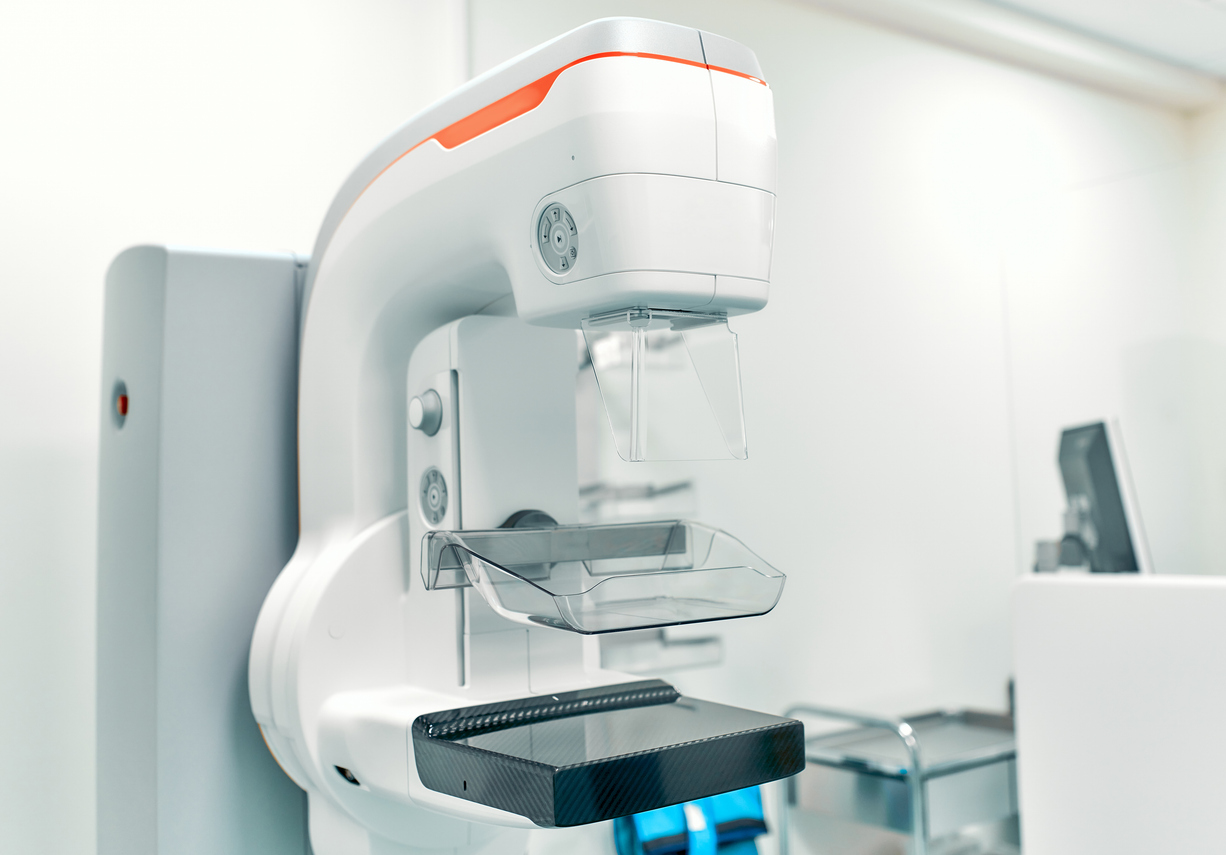
If you’re a first-time patient feeling nervous about getting a mammogram, you aren’t alone. That first experience can feel incredibly intimidating, especially if you’ve heard horror stories from other women. Modern imaging, however, is much less uncomfortable than it used to be, and the process often goes much more smoothly than you expect.
Understanding what your mammogram appointment will look like can make it much more comfortable and less intimidating.
Before Your Appointment
The first step is scheduling your mammogram appointment. Consider your menstrual cycle when scheduling your appointment. Between 7 and 14 days after your cycle begins, your breasts are generally less sensitive.
Breast tissue may also be less dense during this time. This can result in clearer images and a more comfortable mammogram experience.
Preparing on the Day of Your Visit
On the day of your appointment, wear a two-piece outfit, rather than a dress or jumpsuit. Avoid heavy powders or perfumes. In addition, avoid using deodorant or antiperspirant, as these can leave residue that interferes with the image.
Of course, don’t forget your license and insurance card, which may be required to start the appointment.
Checking In at the Imaging Center
Once you arrive at the imaging center, you’ll check in and provide your health history and any other relevant information.
You may need to share your age, any potential risk factors, and your family history. This information helps your provider better understand your health and interpret your mammogram results accurately.
What You’ll Be Asked Before the Exam
Before you go back for your scan, you may need to answer a few questions.
- Previous health history.
- Current symptoms, including whether you have noticed any changes to your skin or lumps in your breasts.
- Whether you are taking any hormones.
- If you are breastfeeding or pregnant.
These questions help your healthcare provider prepare for your appointment. They also provide essential context when interpreting your mammogram images. Answering them honestly helps ensure the most accurate results.
During the Mammogram
The mammogram itself is often the most challenging part of the exam, especially for people who have never had one before.
Positioning for the Images
Most mammograms include two sets of images. The first is the craniocaudal (CC) view, a top-down image taken while you face the machine. The second is the side-view image obtained from an angle, known as the mediolateral oblique (MLO) view.
In both cases, you will stand or sit in front of the machine and lean into it as instructed while the technician helps with breast positioning.
Why Breast Compression is Necessary
Breast compression may feel uncomfortable, and in fact, it’s the part of a mammogram that many women dread most. However, that compression is a necessary part of the imaging process.
First and foremost, it helps spread out layers of breast tissue, making it easier to see tiny tumors that might otherwise be missed. In addition, slight compression helps ensure that the breast remains completely still during the appointment.
Exam Length
The actual imaging process usually takes just 5 to 10 minutes. Each image requires only about 10 to 15 seconds of breast compression. However, your entire mammogram appointment may take around 30 minutes.
If it’s your first appointment or your first visit with a new provider, plan to arrive a little earlier. You may need extra time to complete paperwork and answer questions about your health history.
After the Exam
There are no restrictions after a mammogram since it’s not an invasive procedure. Most women can return to their normal activities immediately after the exam. No special recovery time or doctor’s clearance is needed.
When to Expect Your Results
Find out how long it usually takes for your healthcare provider to send out mammography results. Most of them will send your results within two weeks.
Unless you’re having a diagnostic mammogram, you likely won’t receive your results during your initial appointment. Legally, centers must provide mammogram screening results within 30 days.
What If Additional Images Are Needed?
Sometimes, after a mammogram, you may get a call that additional images are needed. Don’t panic! The need for extra imaging is more common than you may think, and it does not necessarily mean cancer.
Why Callbacks Are Common
There are several reasons why you may need to go back for more imaging after a mammogram, including:
- Dense breast tissue.
- Unexpected asymmetry.
- Changes from a previous mammogram or image.
- Unclear pictures from skin folds, movement during the test, or even antiperspirant.
If you’re concerned, ask your provider about the reason for the callback and what you can expect.
Tips for a More Comfortable Mammogram
Scheduling your mammogram between days 7 and 14 of your menstrual cycle may make the exam more comfortable. It can also help you choose a time that best fits your schedule, making the overall experience less stressful.
Try to schedule your mammogram on a day when you do not have too many other commitments. Give yourself enough time afterward so you don’t have to rush to your next activity.
Communicating with Your Technologist
Talk to your doctor about any concerns you have. It’s not just about any changes you may notice to your breasts; it’s also about ensuring that your appointment is comfortable.
Ask any questions you have before the exam begins. Let your technologist know about any tender areas or health conditions that could make the exam more uncomfortable.
Frequently Asked Questions
Is a Mammogram Painful?
A mammogram may be uncomfortable, but it should not be painful. Communicate any pain to your provider immediately.
What Should I Wear?
Wear a two-piece outfit and comfortable shoes to your mammogram appointment. A two-piece outfit makes it easier to undress just your top half, while comfortable shoes make it easier to stand during your scan.
Can I Wear Deodorant?
On the day of your appointment, don’t wear deodorant. Once the appointment is over, you can use it.
Taking the First Step Toward Better Breast Health
Mammograms are a quick, routine part of preventive healthcare and one of the most effective tools for detecting breast cancer early.
At Women’s Imaging Specialists, we understand that planning your mammogram can feel overwhelming. Our team is here to guide you through every step of the process. Providing compassionate care, experienced technologists, and a patient-focused experience makes the process much easier to navigate.
Are you ready to schedule your first mammogram screening? Make your appointment or reach out to us with any questions.