
Breast Cancer Screening Guidelines: When Should You Start?

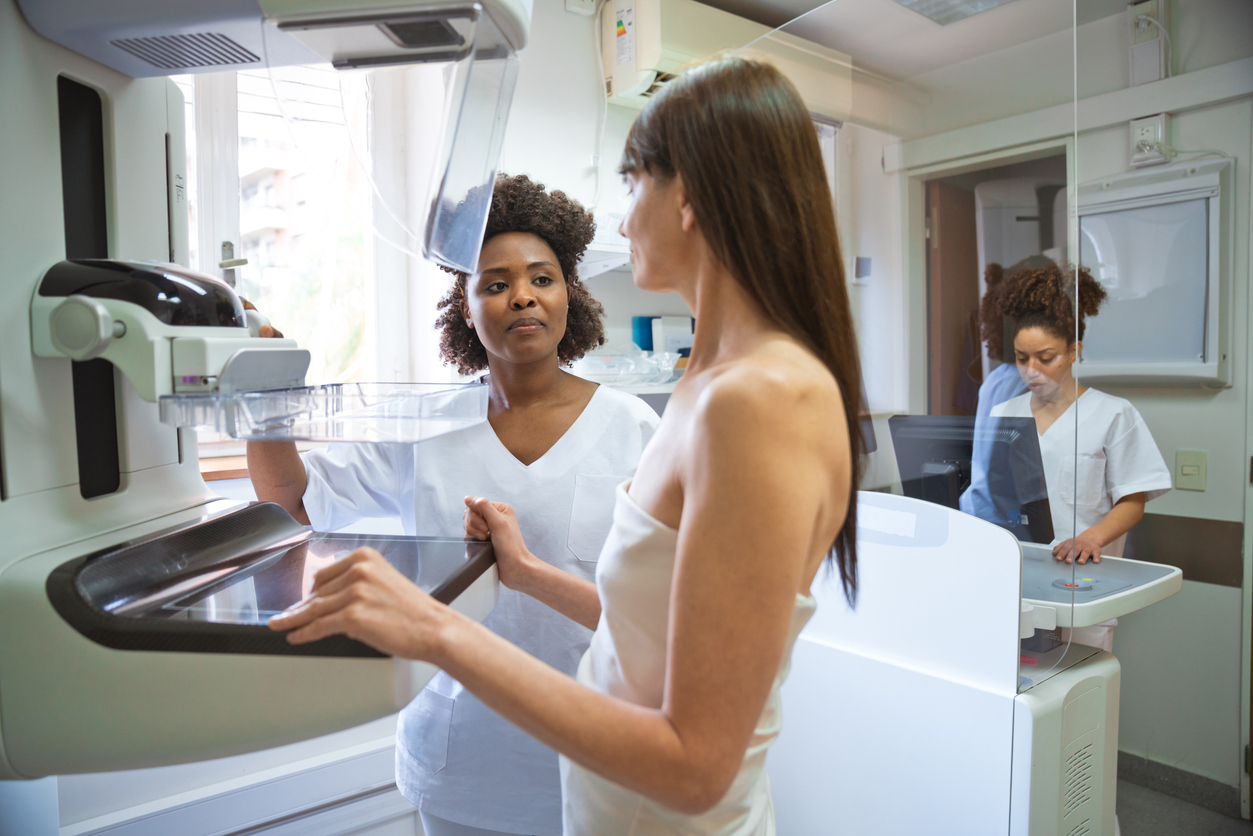
Breast cancer screening guidelines can depend on a lot of factors: your age, your family history, and even personal risk factors like smoking, obesity, and inactivity. Working closely with your healthcare provider can help you determine the right screening timeline for your needs.
Whether you’re planning your first mammogram or deciding how often to get screened, your provider can recommend the best schedule based on your personal risk factors. However, there are some general guidelines to keep in mind as you make that decision.
Why Breast Cancer Screening Matters
Breast cancer screening is essential for early detection of breast cancer. In fact, early detection of localized breast cancer means a five-year survival rate of almost 99%. It means faster treatment and, ultimately, better outcomes.
Without regular screening, breast cancer may go undetected until it has grown or spread. Early screening can detect cancer before you’ve even noticed a lump. It allows you to seek treatment much earlier than you would have if you had waited.
Average-Risk Screening Recommendations
If you have no risk factors that increase your risk of breast cancer, you can often follow standard screening recommendations.
When Most Women Should Begin Mammograms
According to the US Preventive Services Task Force, women should start getting mammograms at age 40.
How Often Screening Is Recommended
Most of the time, women should receive a mammogram every two years. However, if you notice breast changes, you may want to have your next appointment earlier.
Who May Need Earlier Screening?
While most women can start breast cancer screening at 40, some may need to start scheduling those mammograms earlier.
Family History and Genetic Risk Factors
If many of the women in your family have developed breast cancer, you may want to schedule your first mammogram earlier. In general, you should begin screening 10 years before your youngest relative received a breast cancer diagnosis.
Your relationship to the family member with breast cancer can also affect your risk. If your mother, sister, or another close relative has had breast cancer, your doctor may recommend earlier or more frequent screening.
Carrying a BRCA gene mutation increases your risk of developing breast cancer. As a result, your doctor may recommend beginning screening at a younger age.
Personal Medical History and Other Risk Factors
Your doctor may recommend earlier breast cancer screening based on your personal medical history. Obesity, a sedentary lifestyle, smoking, and regular alcohol use can increase your risk of developing breast cancer. Because of these risk factors, your doctor may recommend starting screening earlier.
Dense breast tissue, type 2 diabetes, and certain other health conditions can increase your risk of breast cancer. Because of these factors, your doctor may recommend starting breast cancer screening earlier.
Screening Recommendations by Age
Breast cancer screening guidelines recommend different screening schedules based on your age and personal risk factors. On average:
Women in Their 20s and 30s
Women under 40 generally do not need routine mammograms. However, your doctor may recommend screening if you have an underlying health condition or other factors that increase your risk of developing breast cancer. Those who do need those scans should talk to their doctor about how often to receive them.
Women in Their 40s
In their 40s, most women need to have breast cancer screening every two years.
Women Ages 50 to 74
Women ages 50 to 74 should get a mammogram every two years. However, some women may prefer to have an annual mammogram due either to personal preference or potential health risks.
Screening Beyond Age 75
Many women choose to forego breast cancer screening after 75. However, women who are in good health and would seek treatment for breast cancer if they were diagnosed may choose to continue screening every two years.
What to Expect After Your Screening
After a mammogram, it may take several days to receive your results. However, most facilities will have them in your hands within 10-14 days, and others may have the results up on your portal far faster.
Understanding Your Results
Mammogram results include a standard scoring system known as BI-RADS to help gauge any findings. In general:
- 0: Incomplete test; more imaging needed.
- 1: Negative, with no abnormal findings.
- 2: Negative, but with some abnormal, benign findings, including cysts or benign calcifications.
- 3: Probably negative; cancer risk very low, but follow up for further imaging within 6 months.
- 4: Suspicious results; moderate cancer risk, with biopsy recommended for further information.
- 5: High cancer risk; biopsy recommended.
- 6: Known cancer, already previously diagnosed.
If you have any questions about your results, always discuss them with your provider.
When Additional Imaging May Be Needed
Your provider may request additional imaging for several reasons, and most of the time, it’s not cancer!
You may need additional images because:
- You (or the equipment) moved during the scan.
- There is a suspicious spot, blur, or other artifact on the scan.
- You have dense breast tissue, making it difficult to detect any changes.
- You wore deodorant or perfume that left a residue during the scan, causing an inconclusive result.
Talk to your provider about why additional imaging was requested.
Common Questions About Mammogram Timing
Can You Be Screened Too Early?
No, it is impossible to screen for breast cancer too early. If you have a family history, significant risk factors, or other concerns, screening can always help put your mind at ease or identify potential issues. Just remember, regular testing is just as important as testing when you are young.
What If You Have Dense Breast Tissue?
Dense breast tissue is a common finding that can impact up to half of women. Unfortunately, dense breast tissue can make it harder to detect small changes in the breast on a mammogram.
Regular screening or more specialized testing, including breast ultrasound or 3D mammography, can make it easier to spot possible problems.
Talk to Your Provider About Your Personal Risk
In general, women over 40 should be screened for breast cancer every two years. However, that is not a one-size-fits-all approach. Talk to your healthcare provider about your personal risk factors and any other concerns. Together, you can create a breast cancer screening schedule that fits your individual needs.
Is it time for a mammogram? At Women’s Imaging Specialists, our experienced breast imaging specialists use advanced technology to support early detection. We combine compassionate care with accurate, reliable results to help you feel confident throughout the screening process.
Get a breast cancer screening based on your healthcare provider’s recommendations. Contact us if you have any questions about the screening process, timing, or your results.