
Before You Skip Your Screening: Common Mammogram Myths to Ignore


Many women put off or skip breast cancer screening due to fear, uncertainty, or misinformation from friends, social media, or outdated sources. Common mammogram myths about discomfort, radiation exposure, and age guidelines can make scheduling an appointment seem intimidating. Concerns about what happens after an abnormal result may add to that uncertainty.
The truth is that breast imaging has improved significantly. Regular screening remains one of the best ways to detect breast cancer early, often before symptoms occur.
Learning the facts behind common mammogram myths can help you feel more informed. It can also give you greater confidence in your health decisions.
Don’t put off critical prevention due to fear and uncertainty. Going into a mammogram screening equipped with the right knowledge gives every patient the peace of mind needed to prioritize their well-being.
Why Mammogram Myths Can Impact Early Detection
Mammograms and other breast imaging technologies are designed to identify changes in breast tissue before they become noticeable. Early detection often means more treatment options, less invasive care, and improved outcomes.
Unfortunately, misconceptions about screening can lead people to postpone appointments or skip them altogether. Whether someone assumes they don’t need imaging because they feel healthy or worries that screening itself is unsafe, these beliefs can delay diagnosis and reduce the benefits of early detection.
Separating fact from fiction allows patients to make decisions based on evidence. Schedule your mammogram with confidence, not fear.

Myth #1: Mammograms Expose You to Dangerous Levels of Radiation
One of the most common mammogram myths is that mammograms expose patients to harmful amounts of radiation.
In reality, mammography uses a very low dose of radiation. Modern mammography systems are carefully regulated and designed to capture high-quality images while minimizing exposure. For most people, the benefits of early cancer detection greatly outweigh the small amount of radiation involved in screening. Advancements in digital imaging technology have also improved image quality while keeping radiation doses low.
If you have questions about imaging frequency or personal risk factors, your healthcare provider can recommend a screening plan that fits your needs.
Myth #2: Mammograms Are Extremely Painful
Many first-time patients expect mammograms to be very painful.
While some people experience temporary discomfort during breast compression, most describe the exam as brief and manageable. Compression is necessary because it spreads breast tissue for clearer images and reduces the amount of radiation needed.
Factors that may improve comfort include:
- Scheduling your appointment when your breasts are less tender.
- Wearing comfortable clothing.
- Communicating with your technologist during the exam.
- Asking questions before imaging begins.
Modern equipment and improved techniques continue to make mammography more comfortable than many patients expect.
Patients interested in newer imaging options may also benefit from learning more about your practice’s 3D mammography services.
Myth #3: You Only Need a Mammogram If You Have Symptoms
A common misunderstanding is that breast imaging is only necessary after finding a lump or noticing changes.
Screening mammograms are designed specifically to detect abnormalities before symptoms develop. Routine screening can detect many breast cancers that patients cannot feel during self-exams or notice visually. Furthermore, waiting for symptoms may delay diagnosis.
Regular screening recommendations vary based on age, personal history, family history, breast density, and other factors.
Diagnostic imaging, including diagnostic mammography, breast ultrasound, or breast MRI, may also be recommended when additional evaluation is needed.

Myth #4: Breast Cancer Screening Is Only for Older Women
Another persistent myth is that younger women never need breast imaging.
While breast cancer risk generally increases with age, screening decisions are not based on age alone. Family history, genetic risk factors, personal health history, and breast density may influence when screening begins. Healthcare providers use individual risk assessments to guide recommendations.
For some patients, supplemental imaging options such as breast MRI or automated breast ultrasound (ABUS) may be appropriate in addition to mammography.
The most relevant takeaway is this: screening recommendations are based on your individual risk factors, not just your age or how healthy you feel. Staying informed can help you make the right choices for your breast health.
Myth #5: A Mammogram Can Cause Cancer to Spread
It’s essential to clear up this particular myth; there is no evidence that mammograms cause cancer to spread.
Breast compression during imaging does not move cancer cells through the body. Compression is used only to improve image clarity and help radiologists evaluate breast tissue more accurately. Mammograms are diagnostic tools, not causes of disease.
Delaying screening because of this concern may create a greater risk than the imaging itself.
Myth #6: Dense Breasts Make Screening Useless
Having dense breast tissue can make imaging more complex, but it does not make screening ineffective. In fact, dense breast tissue simply means patients have more imaging options to explore.
Let’s break it down further. Dense tissue appears white on a mammogram, and some abnormalities may appear similarly. However, it does not mean mammograms stop working. Instead, providers may recommend additional imaging approaches to improve visibility.
Depending on your needs, supplemental screening may include the following:
- 3D mammography
- Breast ultrasound
- Breast MRI
- ABUS
These tools work together to provide a more complete picture of breast health.
Myth #7: A Callback Means You Have Breast Cancer
Don’t fear the phone call. Receiving a request for additional imaging can feel stressful, but it does not automatically mean cancer is present.
Callbacks happen for many reasons, including:
- Overlapping tissue
- Areas that need clearer imaging
- Benign cysts
- Technical image limitations
- Routine follow-up evaluation
Additional testing helps radiologists gather more information, not confirm a diagnosis. Diagnostic mammography, ultrasound, or MRI may be recommended simply to ensure the most accurate interpretation possible.
Many callbacks ultimately result in normal or noncancerous findings.
How Modern Breast Imaging Improves Early Detection
Today’s breast imaging technologies offer greater precision and more personalized screening pathways than ever before.
Depending on individual needs, providers may recommend the following:
- Screening mammography
- Diagnostic mammography
- 3D mammography
- Breast ultrasound
- Breast MRI
- Automated Breast Ultrasound (ABUS)
Together, these technologies support earlier detection and more informed clinical decisions. Understanding the facts behind mammogram myths can help reduce anxiety and make screening feel like a proactive step rather than something to fear.
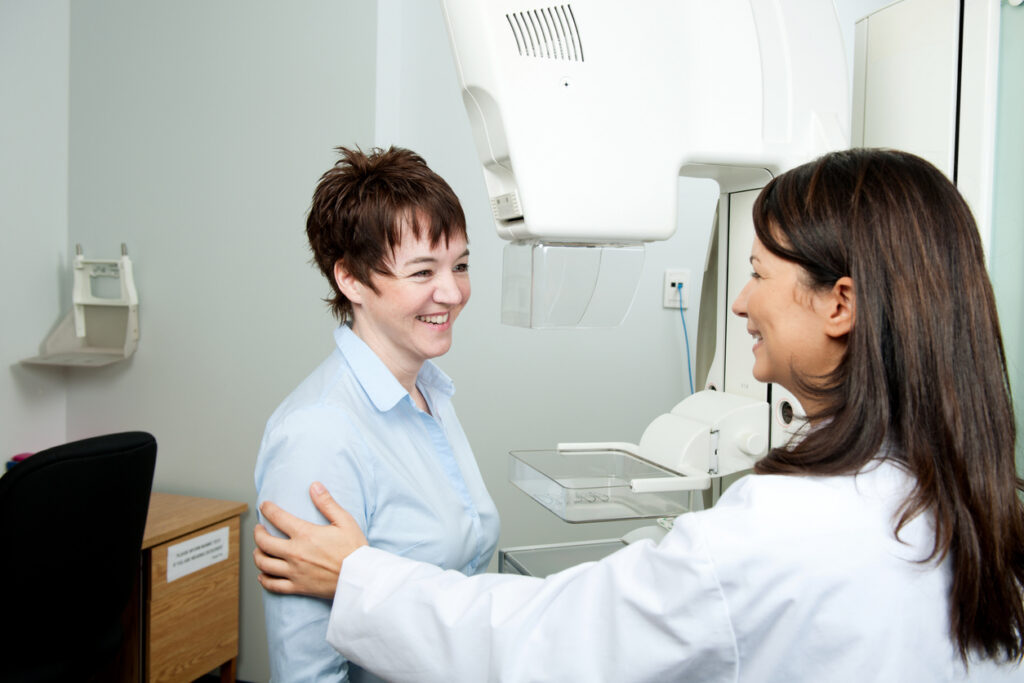
When to Schedule Your Next Mammogram
Breast cancer screening recommendations vary from person to person. However, routine imaging remains one of the most powerful tools for detecting changes early.
If you’ve delayed scheduling because of uncertainty, discomfort concerns, or misinformation, now may be a good time to talk with your provider about the screening schedule that’s right for you.
For more information or to get started, schedule a mammogram screening and explore available breast imaging services near you.
Early answers can bring clarity, and screening is an essential part of protecting long-term breast health. Reach out to our team for more information.