
What If Your Mammogram Shows Something Abnormal? Next Steps Explained

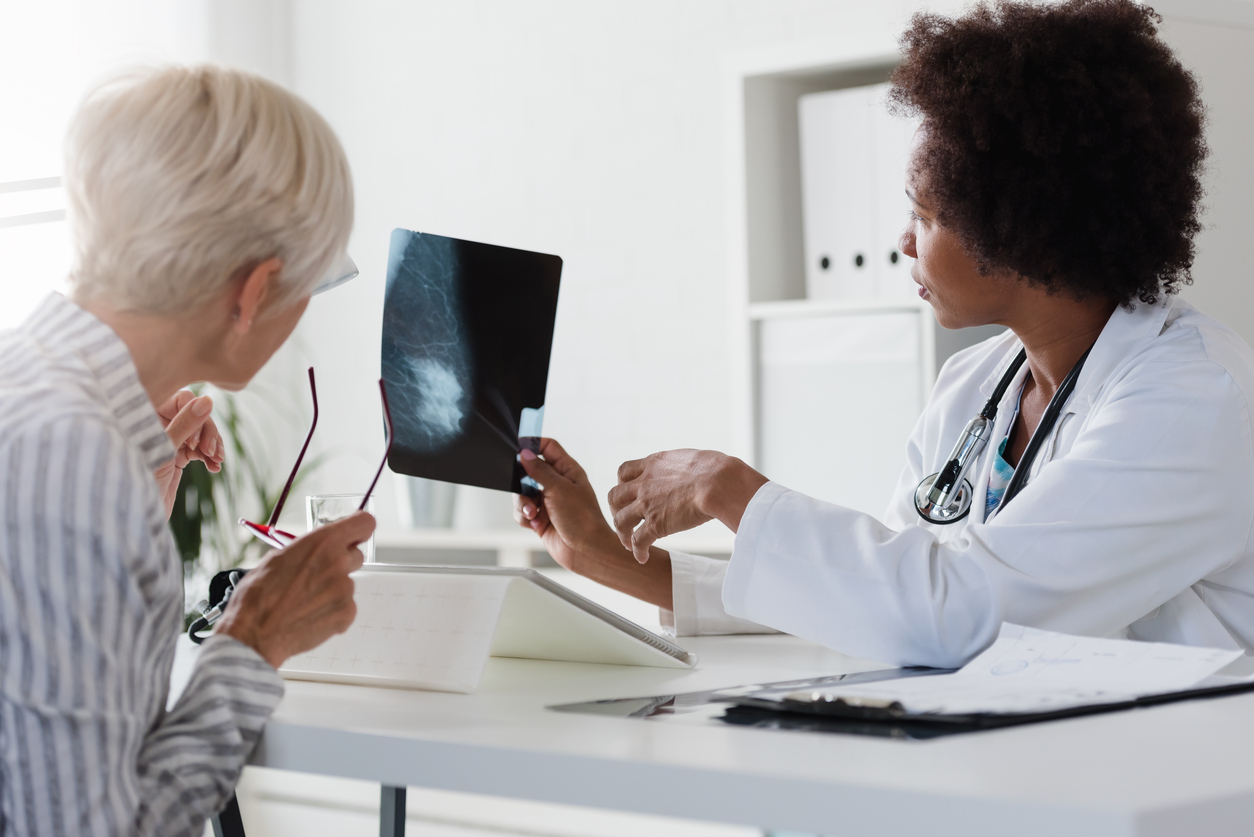
Waiting for the results of your mammogram can be worrisome for some women, and most of the time you feel a flood of relief when the results come back normal. If the results of your mammogram show something abnormal, then your anxiety can go up a few notches. You may be deeply concerned about what the abnormalities mean and what you need to do next.
If your mammogram shows an abnormality, it is important to note that most abnormal mammogram results are not cancer. This article explains what commonly happens when something abnormal shows up on a mammogram and steps you can take after an abnormal mammogram result.
What “Call-Back Imaging” Means
If there are abnormalities on your mammogram, you may hear something referred to as “call-back imaging.” This means you are being asked to return for more imaging after your screening mammogram. Call-back imaging is common, and it is meant to be a precautionary measure. It does not mean something is wrong with you.
Typical reasons for call-back imaging include:
- Dense breast tissue. This means the imaging shows a lot of tissue in the breast, which can make it more difficult to spot problems.
- Overlapping tissue. This can occur when your three-dimensional breast structure is compressed into a two-dimensional image. Tissues can overlap, making them look abnormal even when they are not.
- Unclear or new findings. A specialist may compare your current mammogram with a previous mammogram and see something new. This is not always a bad thing, but it is a reason to get a second look. The same goes for parts of an image that cannot be seen clearly.
Once again, if you are asked to come back for additional imaging after a mammogram, it does not mean you are sick. Many women get called back for more imaging as a way for the doctor to gain more information and make sure your breasts are completely healthy.

Additional Tests You May Need
Here are three of the tests that may be recommended if your mammogram showed abnormal results.
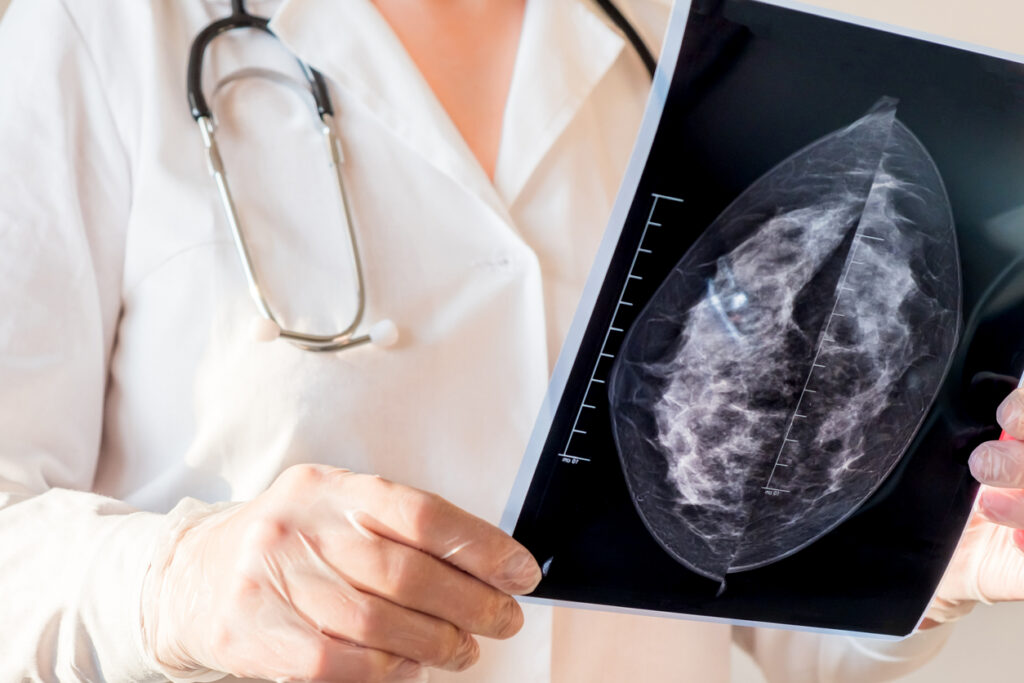
Diagnostic Mammogram
A diagnostic mammogram is not much different than your routine mammogram. The same equipment and procedure are used, but there will probably be more detailed imaging with focused views on a specific area of your breast.
Although it has the term “diagnostic” in its name, a diagnostic mammogram does not diagnose breast cancer. It helps doctors see the inside of the breast more clearly so they can tell if it looks like there is cancer.
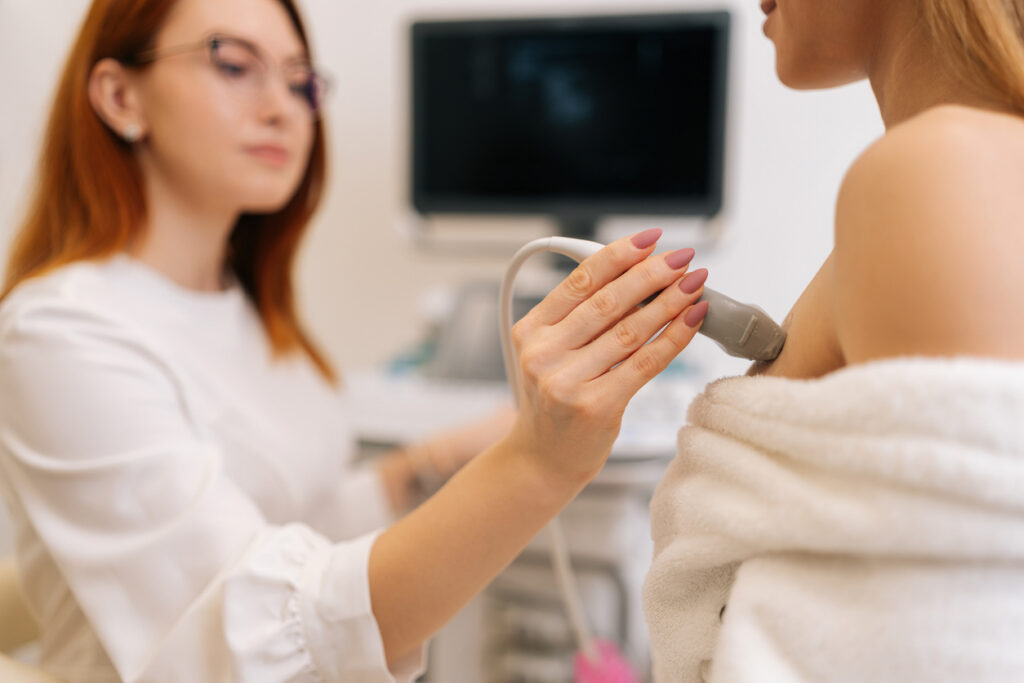
Breast Ultrasound
A breast ultrasound uses sound waves, not radiation, to get an image of your breast. It is a non-invasive procedure that helps determine if something is fluid-filled or solid. This type of procedure is most helpful in cases of dense breast tissue.
Biopsy
If you need to get a biopsy, it means the doctor will remove a small amount of tissue in your breast to determine if there is cancer present. This is usually an outpatient procedure. Local anesthesia is used to numb the area, and a hollow needle is inserted to collect tissue. No stitches are necessary.
A needle biopsy is only recommended if imaging of the breast still looks suspicious. Many biopsy results are benign, which means there is no sign of cancer.
How Common False Positives Are
Around 10% of screening mammograms lead to call-back imaging. Most of those do not result in a cancer diagnosis. This is because false positives are fairly common in mammograms.
According to the National Cancer Institute, false positives on mammogram results are more common in younger women, women with dense breasts, women who have had breast biopsies in the past, and women with a family history of breast cancer.
When a mammogram screening results in a false positive, the next step is usually diagnostic imaging, which helps the doctor get a clearer view of the area that appeared abnormal in the screening. This type of follow-up testing is designed to rule things out, so you can be confident that you have healthy breasts.
What to Do Next
If you have had abnormal mammogram results, the first thing you should do is be thankful that you scheduled and went in for your mammogram screening. According to the CDC, only about three in four women aged 50 to 74 years were up-to-date with their mammograms in 2022. Screening mammograms can detect breast cancer early, increasing chances of survival.
Your next step should be to schedule follow-up imaging as soon as possible. If you are switching facilities, you may need to bring along the imaging from the screening.
It’s always a good idea to prepare for a doctor visit by making a list of a few questions you may have. For instance, you may want to ask what the radiologist saw that caused concern. You could ask how long it will take to get results on the new imaging. You might want to ask what steps you need to take if there are abnormal results in the new imaging.
When to Pay Closer Attention
While most abnormal results from a mammogram are false positives and do not indicate the presence of breast cancer, it is still beneficial to get regular mammogram screenings, even if you do not think anything is wrong.
Sometimes, women observe things about their breasts that may cause some concern. They may want to schedule a breast screening because they have noticed changes, such as:
- A new or persistent lump in the breast.
- Skin changes or dimpling.
- Nipple discharge.
If you notice any of these changes, contact your provider. These signs don’t mean you have breast cancer, but you should get them checked.
Put Your Health First
If you have had abnormal mammogram results, and you have been told to schedule call-back imaging, do not get overly anxious. This does not mean you have cancer. Call-back imaging is common and is usually a precaution to ensure that you are healthy.
Even though most diagnostic imaging comes back normal, it is important to get the extra clarity. You and your provider benefit from having a clear image of what is going on inside your breasts. If you do have cancer, early detection can lead to more treatment options and a better chance of survival.
Don’t delay following up on your mammogram screening with the additional tests your provider recommends! Contact us to schedule your next appointment.