
Breast Health Checklist: Habits That Support Early Detection


For women, breast health is essential. Not only do about 1 in 8 women develop breast cancer in their lifetimes, but breast cancer also accounts for around 30% of new cancer cases in women each year.
Following a regular breast health checklist can help you get to know your breasts, understand your risk factors, and improve the chances of detecting cancer early if it develops.
Why Early Detection Matters for Breast Health
Early detection is a major part of dealing with potential breast health issues when they crop up. In fact, breast cancer is significantly easier to treat and is treated more successfully when it’s found in the early stages.
Unfortunately, many people miss screenings or skip steps that could alert them to potential problems. This can lead to longer treatment protocols and a lower likelihood of success.

Schedule Routine Mammograms and Breast Screenings
Breast cancer screening and routine mammograms are some of the most important steps you can take to protect your breast health. By adding regular testing to your schedule, you increase the chances of detecting breast cancer in its early stages.
The US Preventive Services Task Force recommends that women between the ages of 40 and 74 have a mammogram at least every 2 years, when treatment is often more successful. Don’t put off those screenings! Instead, make them a regular part of your health plan.
Understand Your Breast Density and Risk Factors
There are three types of tissue in your breasts: fibrous tissue, which holds the breasts in place; glandular tissue, which is responsible for making milk; and fatty tissue, which fills the space between fibrous and glandular tissue and maintains the shape of the breast.
Breast density measures the amount of fibrous and glandular tissue compared to the fatty tissue in the breasts. You have dense breasts if you have evenly dense tissue or very little fat compared to fibrous and glandular tissue. This condition affects about half of women over forty.
It can also impact your breast cancer risk. Not only do women with dense breasts have a greater likelihood of breast cancer, but also those fibrous and glandular tissues also show up white on a mammogram report, and so do tumors. Take the time to get to know your breasts and discuss your risk of breast cancer with your doctor.
If you have dense breast tissue, your healthcare provider may recommend additional testing, including an MRI or ultrasound. These tests help take a closer look at the breasts, especially when cancer is suspected.
Practice Breast Self-Awareness Between Appointments
Getting to know your own breasts is an essential part of following a breast health checklist. While specific growth and progression may depend on some individual factors, on average, breast cancers double in size approximately every 180 days. That means that the sooner you get treatment, the smaller the cancer is and the better your prognosis will be.
When you’re familiar with your body, you’re more likely to spot changes between appointments. Conduct regular breast self-exams and familiarize yourself with the size, shape, feel, and appearance of your breasts. Contact your doctor as soon as possible if there are any changes.
Follow Through With Recommended Imaging or Follow-Ups
Many women put off taking care of breast health for any number of reasons: difficulty making it to appointments, discomfort, worries about lack of privacy, and even fear. But your doctor will order the proper imaging based on your age, breast tissue density and anything unusual that was found during your exam.
Failing to attend those follow-up appointments may mean missing symptoms while the condition is still small. Follow your doctor’s instructions early so that you can get treatment as soon as possible for any underlying issues.
Maintain Healthy Lifestyle Habits That Support Breast Health
While diet and exercise alone won’t eliminate your odds of breast cancer, there are several lifestyle changes you can make that will decrease your odds of breast health issues, including breast cancer. Those include:
- Eating a diet with lots of legumes, fruits and vegetables, and whole grains (and minimizing red meat and processed meat as much as possible)
- Engaging in regular exercise
- Avoiding alcohol
These simple steps can help you protect your breasts now and in the future.
Know When Supplemental Imaging May Be Recommended
Sometimes, a doctor recommends supplemental imaging after spotting a concern and wanting a closer look. In other cases, additional imaging may be part of a breast health checklist. This can depend on your breast density, risk factors, or medical history.
You can always discuss those recommendations with your care provider as you seek the right testing and health support for your needs.
Breast Ultrasound
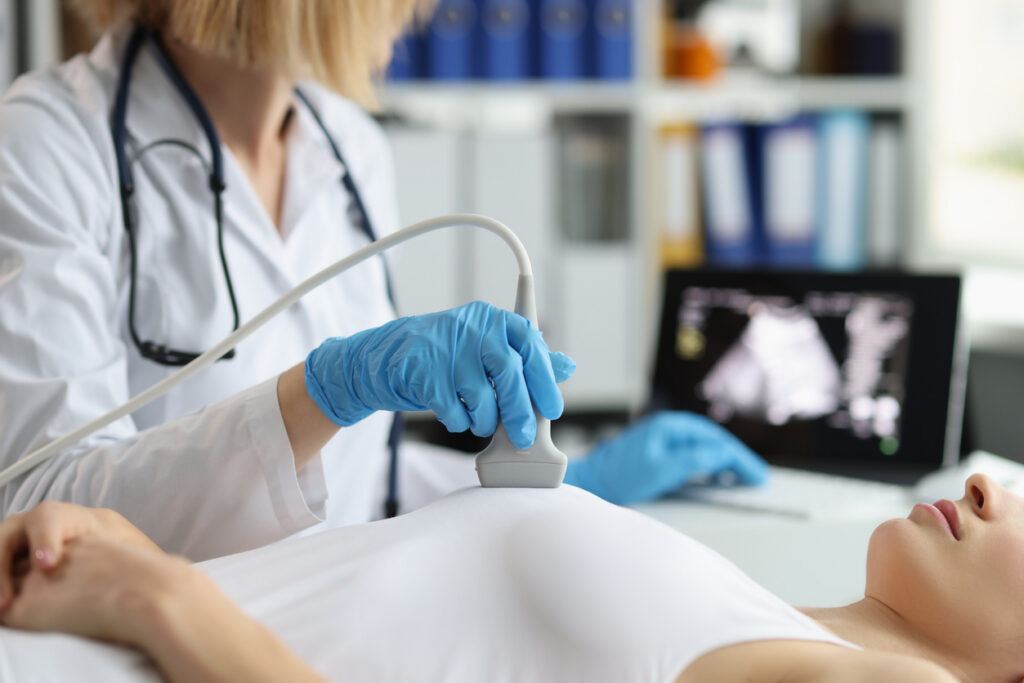
A breast ultrasound uses sound waves to provide a clearer picture of the inside of your breasts. Providers often recommend ultrasounds to take a closer look at a specific area of the breast.
This may happen if a lump is detected or if a mammogram shows an unclear area. If you have dense breast tissue, your provider may recommend a breast ultrasound in addition to a mammogram as part of your regular breast cancer screening.
Breast MRI
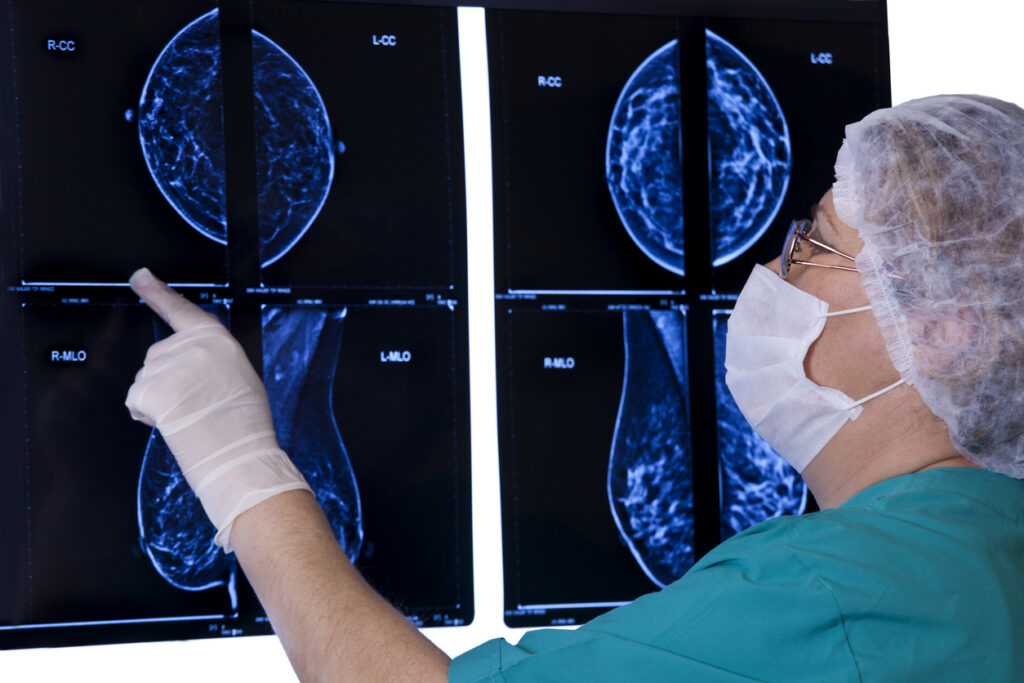
Clinicians typically use breast MRIs when they detect clear signs of cancer, such as nipple inversion or cancer in the nearby lymph nodes. They are also used when other imaging techniques cannot identify the primary source of the cancer.
Typically, care providers recommend breast MRIs when other imaging, including mammograms and ultrasounds, is not effective.
Automated Breast Ultrasound (ABUS)
Clinicians use automated breast ultrasounds to identify small cancers in dense breast tissue. Traditional mammograms may have trouble spotting small tumors in dense breasts. This is because fibrous and glandular tissue also appear white on a mammogram, making it harder to distinguish abnormalities.
ABUS, on the other hand, uses sound waves to get a clearer picture of the inside of the breast. Often, these images are used alongside traditional mammograms.
Questions to Ask Your Breast Imaging Provider
If you’re heading in for breast imaging, you may have many questions for your provider. However, some top questions include the following:
- How often do you recommend screenings and images?
- What type of imaging is recommended for me, based on my age and breast tissue?
- How and when will I get my test results?
- What should I expect from this exam?
You can also ask your provider about potential follow-ups and why they recommended a specific type of imaging. This is a good opportunity to discuss the right imaging and follow-up plan for your specific needs.
Take a Proactive Approach to Breast Health and Screening
Don’t let your breast health take a backseat. Following a regular breast health checklist and staying up to date with screenings can help detect cancer or other breast health issues earlier. Early detection often leads to more effective treatment options.
Whether you need to request a mammogram or schedule other imaging, Women’s Imaging Specialists can help. Contact us to discuss your options.